The Second Cycle of Creativity — The Seven Domains of Painting
The Dao, often translated as “the Way,” concerns our participation in life’s unfolding: how we act, perceive, create, and live in relationship with the world around us. Its reach extends far beyond art. Within the wider traditions of Chinese thought, the five phases of Wuxing offer a way of understanding change and the interdependence of processes throughout nature and human life.
In my approach to teaching painting, this broad understanding meets a second, more specific creative cycle: how the domains interact as a painting takes shape.
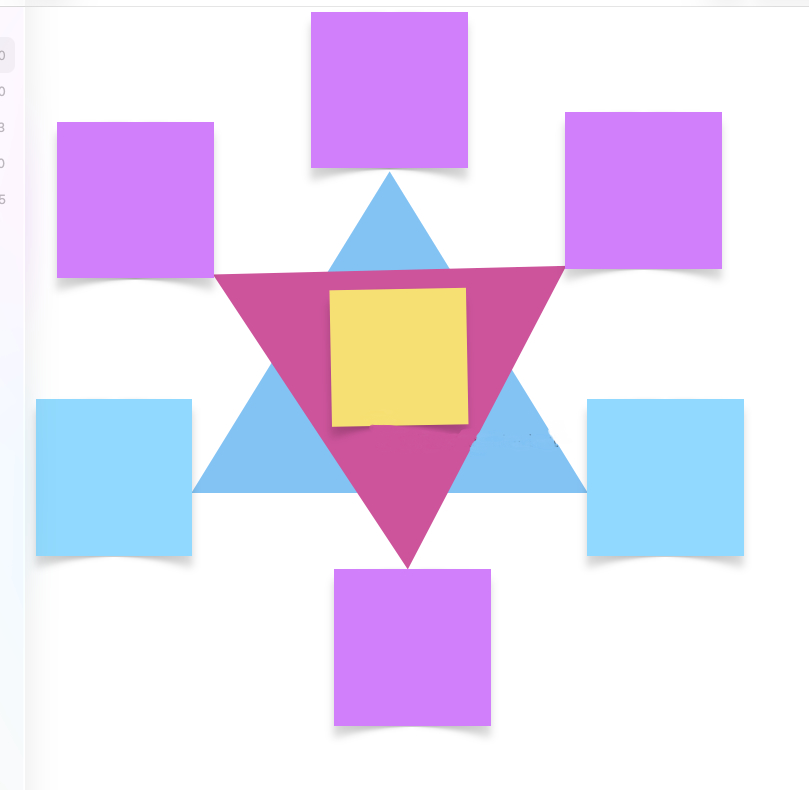
Three visual domains are form, tonal values, and color. Alongside them are techniques, materials, and subject matter. Together, these six domains form a six-pointed star. Each influences the others, and you can explore each through the five phases of the creative process.
At the heart of the star lies a seventh domain: theme. Closely connected with subject matter, theme gives what we paint its meaning, direction, and conviction. A tree may be our subject; resilience, solitude, or renewal may become its theme.
Theme can emerge gradually through the artist’s encounter with the work. As it becomes clearer, it guides our choices across all six surrounding domains, helping them contribute to a meaningful whole.
The two cycles therefore work together: the five phases describe the changing movement of creation, while the six surrounding domains and their living center reveal how that movement finds expression in a painting.
The Evolution of Perspective, Perception, and Artistic Freedom

Popover content here ..
Popover content here ..
Popover content here ..
Popover content here ..
Popover content here ..